STC Lochailort
During World War II, Lochailort, a remote village on the west coast of Scotland, played a significant but often under-recognized role in the training of British special forces. From 1940 onwards, Lochailort became the site of the Special Training Centre (STC Lochailort)—one of the earliest and most innovative institutions designed to prepare elite troops for unconventional warfare.
Origins and Purpose
The Special Training Centre at Lochailort was established in 1940 under the direction of MI(R), a British military intelligence branch responsible for research into irregular warfare. Following the fall of France and the retreat from Dunkirk, the British military recognized the need for highly trained units capable of operating behind enemy lines. Lochailort was chosen for its isolated location, rugged terrain, and proximity to both sea and mountains—ideal conditions for developing and testing guerrilla tactics. The centre's primary mission was to train officers and NCOs in irregular warfare, including sabotage, survival, reconnaissance, and close-combat skills. Many of these men would go on to serve in elite units such as the Commandos, the Special Operations Executive (SOE), and the Special Air Service (SAS).
Training Regimen
The training at Lochailort was intense, experimental, and physically demanding. Instructors—often veterans of colonial campaigns or specialists in unorthodox tactics—developed a curriculum that pushed trainees to their physical and mental limits. Key components of the training included:
-
Close Quarters Combat (CQC): Trainees learned to fight with knives, clubs, and bare hands. William E. Fairbairn and Eric A. Sykes, experts in close-combat and founders of the Fairbairn-Sykes fighting knife, were instrumental in this aspect.
-
Demolitions and Sabotage: Soldiers were taught how to use explosives to destroy railways, bridges, vehicles, and enemy equipment quickly and effectively.
-
Survival Skills: Navigating harsh Highland terrain, living off the land, and enduring extreme weather were essential parts of the curriculum.
-
Small Unit Tactics: Emphasis was placed on independence, decision-making under pressure, and cooperation in small groups—traits essential for behind-enemy-lines operations.
-
Infiltration and Espionage: Some courses included training in disguise, evasion, and the basics of espionage to prepare agents for insertion into occupied Europe
-
Facilities and Environment
-
Lochailort House, a large estate near the loch, served as the main headquarters and accommodation for the trainees. The surrounding wilderness—thick forests, hills, moors, rivers, and lochs—offered a natural training ground for nearly all forms of irregular warfare.
-
Training exercises took place both day and night, often involving live ammunition. The environment was deliberately harsh and disorienting to prepare soldiers for the uncertainty of real combat conditions.
Legacy and Impact
-
Though the STC Lochailort was relatively short-lived—it closed in 1942, with many functions moving to Achnacarry (home of the Commando Basic Training Centre)—its influence was substantial. The techniques, mindset, and tactics developed there laid the foundation for modern British special forces.
-
Graduates of Lochailort went on to conduct sabotage missions in Norway, support resistance groups in occupied Europe, and take part in key operations such as Operation Gunnerside (the destruction of the heavy water plant in Norway). Many became instructors themselves, spreading the Lochailort doctrine to thousands of other soldiers.
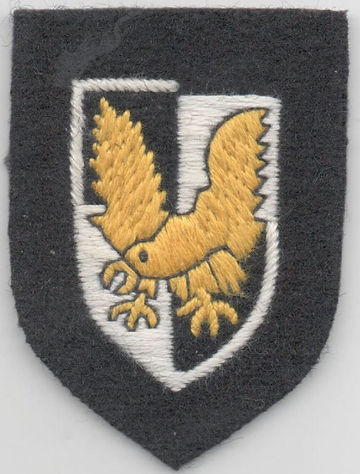
.jpg)

Conclusion
-
Lochailort's Special Training Centre represents a crucial moment in military history where unconventional warfare was systematized and refined. Its contribution to Allied success in WWII, while often overshadowed by larger operations and more famous training grounds, remains an essential chapter in the evolution of special forces and irregular military doctrine.