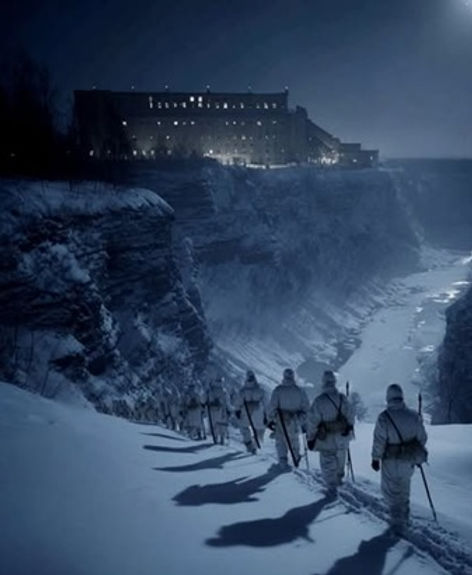
CSMWTC Braemar
During the Second World War, Braemar in Scotland hosted the Commando Snow and Mountain Warfare Training Centre (CSMWTC)—a specialised facility aimed at preparing elite troops for Arctic and mountain operations.


Establishment & Overview
-
Opened in December 1942 at the Fife Arms Hotel, with tents set up in Glen Clunie for field use li
-
Commanded by renowned mountaineers: Squadron Leader Frank Smythe and Major John Hunt (later famed for the 1953 Everest ascent)
-
Training continued until around May 1943, after which it shifted to North Wales, then St Ives for cliff assault training
Training Focus & Curriculum
1. Winter & Mountain Survival Techniques
-
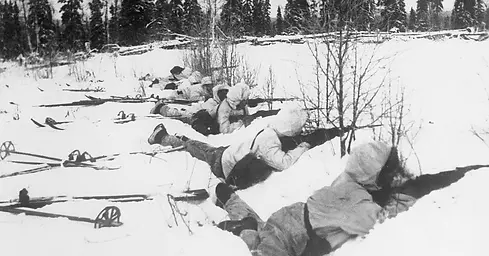
Six-week courses focused on Arctic conditioning: using skis, snowshoes, and Greenland-style sledges
-
Troops slept in snow holes or two-man tents, carrying full packs (~70 lb) in freezing, snowy terrain
-
They dressed in specialist gear: smocks with windproof trousers, string vests, angora shirts, gloves, goggles, etc.
2. Climbing & Alpine Tactics
-
Emphasis on cliff climbing and rock assault tactics, preparing men for mountainous combat zones
-
Utilised Norwegian instructors for ski and climbing proficiency
3. Tactical Field Exercises
-
Marches of 6–7 miles, including night in snow-built shelters, tested endurance and survival skills
-
Large-scale maneuvers like Exercise Goliath took place in the Cairngorms (e.g., Ben Macdui), where troops navigated steep terrain and reconnaissance missions
4. Small Craft & Canoe Operations
-
Instruction included launching and handling small boats and canoes in cold water and snow-laden environments
5. Live-Fire Combat Drills
-
Similar to Achnacarry but tailored to alpine conditions: live ammunition, small-arms fire alongside mountain trekking and daily navigation challenges
Who Trained There?
-
Initially, three Commando units (1, 4, and 12 Commandos) underwent training from December 1942 to May 1943
-
Later courses included mountaineer battalions like the Lovat Scouts in Wales and cliff-assault Royal Marines in St Ives


Special Conditions & Exercises
-
Harsh training terrain: Loch activities in biting cold; some casualties occurred when assaulting in the loch at night
-
Deception drills: Senior officers participated in mock amphibious ops to deceive German intelligence pre–June 1944
-
Diverse environments: In 1945, palmtrees/bamboo were planted and Royal Marines taught jungle bridging, sniping, booby‑traps—prepping for Pacific/SE Asia
Facilities & Local Impact
-
Inveraray town and estate requisitioned—castle grounds turned into cinema, decontamination units, Nissen huts in camps like Kilbride and Chamois .
-
Support infrastructure included naval base HMS Quebec (later caravan park), accommodation ships like HMS Ettrick and Ettrick-related camps .
-
At its height, the campus included seven sub-camps and multiple naval/sea platforms for training .
-
Locals recall castle grounds transformed by tents, crowding up to 15,000 servicemen and full-scale invasion scenario drills in the town .
The heroes of Telemark
In 1943 eleven Commandos on skis infultrated a heavily guarded Nazi plant in Norway. They scales an icy ravine to destroy Hitler's atomic bomb materials without firing a single shot.