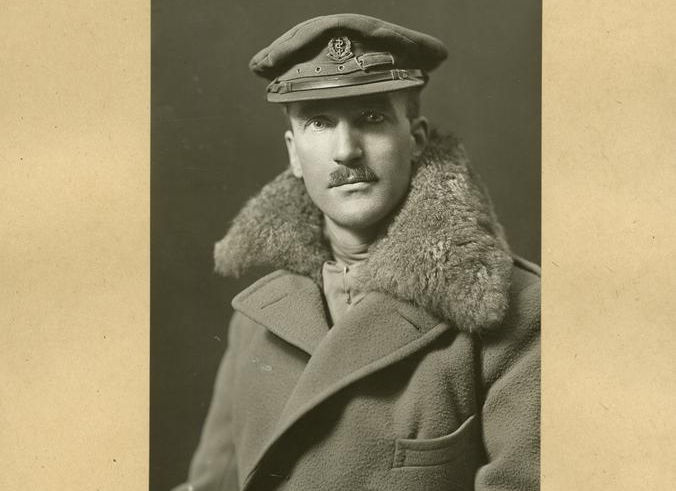
Major John Hunt
Best known later for leading the 1953 Everest expedition, Hunt was the Chief Instructor at the Braemar mountain-training camp alongside Smythe.
Born June 22, 1910 in Simla, British India, Hunt developed an early passion for the mountains—scaling Piz Palü at age fourteen and later participating in Himalayan expeditions, including an ambitious attempt on Saltoro Kangri in 1935
Before WWII, he joined the King’s Royal Rifle Corps, was posted to India, and worked in Military Intelligence—gaining strong leadership and reconnaissance skills
Role at Braemar WWII
-
From late 1940 until around 1943, Hunt served as Chief Instructor at the Commando Mountain & Snow Warfare Training Centre in Braemar, Scotland—working under Depot Commander Frank Smythe
-
He co-designed a rigorous mountain warfare syllabus including:
-
Alpine climbing
-
Ski warfare and movement
-
Small-craft operations
-
Cold-weather survival and snow-camouflage battle drills
-
Wartime Service
-
In 1943, Hunt returned to active military command and led the 11th Battalion, King's Royal Rifle Corps as acting Lieutenant-Colonel into the Italian Campaign. He earned the Distinguished Service Order for his leadership in the Sangro River battles
-
He later commanded the 11th Indian Infantry Brigade in Greece, earning a CBE for his efforts in maintaining peace amid emerging civil war tensions
Post-War
-
After the war, he became Assistant Commandant at Sandhurst, and post-retirement was knighted, later becoming Baron Hunt and known for directing the Duke of Edinburgh’s Award Scheme
-
He is perhaps best known for leading the 1953 Everest expedition.
Legacy: His Impact on Commando Training
-
Hunt’s mountain warfare program didn’t just train commandos for snowy peaks—it shaped their mentality: creating adaptable, self-reliant soldiers capable of rapid movement, independent thinking, and cohesion under severe conditions. His legacy echoed beyond WWII into post-war special forces doctrine.